&geometry(180x85) "Midwest Vet Centre")

The Importance of Post Operative Care
If your pet has undergone a surgery, post-operative care plays a vital role in the recovery. The correct post-op care aids in proper healing, a speedy recovery, minimizes the risk of requiring additional surgeries or medications and you will spend less money if you can eliminate the need to go back for preventable problems.
Post-operative care isn’t just a ‘nice’ extra after surgery- it often determines whether the procedure is successful. Even a perfectly performed surgery can fail if the recovery period isn’t managed properly. After surgery, animals are vulnerable to issues like infections, bleeding or wound breakdown. Careful monitoring of the surgery site, keeping it clean, keeping it dry, strict confinement and following medications instructions (antibiotics or pain relief) greatly reduces these risks.
Monitoring during recovery helps catch problems early. Changes in appetite, energy levels, swelling, discharge from the wound, redness, oozing/bleeding and not such a nice smell coming from the site can signal complications. Early detection means quicker intervention and better outcomes.
Pain management is a big factor. Animals don’t always show pain in obvious ways, but untreated pain can slow healing, reduce appetite, and lead to stress or behavioural changes. Proper use of prescribed medications helps them stay comfortable and recover faster. Post-op care also supports healing and tissue repair, this includes ensuring the animal gets adequate rest, proper nutrition and limited activity. Some surgeries will require different amounts of confinement. For example, orthopaedic surgeries have a longer healing time of 6-10 weeks and you may be able to do controlled walks but strict rest, whereas desexing surgeries require 10-14 days of strict confinement.
It’s also important for preventing self-injury. Animals may lick, chew or scratch at surgery sites, which can re-open wounds or introduce infections. It is a myth that when an animal licks at its surgery site/ wound that it is ‘cleaning’ it, animals have quite a lot of bacteria in their mouths and when they lick at their site than bacteria is going into that site or wound. Tools like cones or protective bandages are essential.
Surgery is only half the job- the recovery period is where the success of that surgery is truly secured and skipping proper post-operative care can undo the benefits of the surgery and in some cases, put the animal’s life at risk.
So please, if your veterinarian has given you instructions to follow for your pet recovery do the best thing for them. If you are struggling with any post-operative care, don’t hesitate to phone your vet clinic and explain your concerns and they can always try and give alternatives or give sedatives if strict confinement is proving difficult.
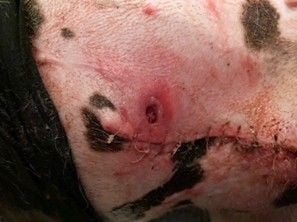
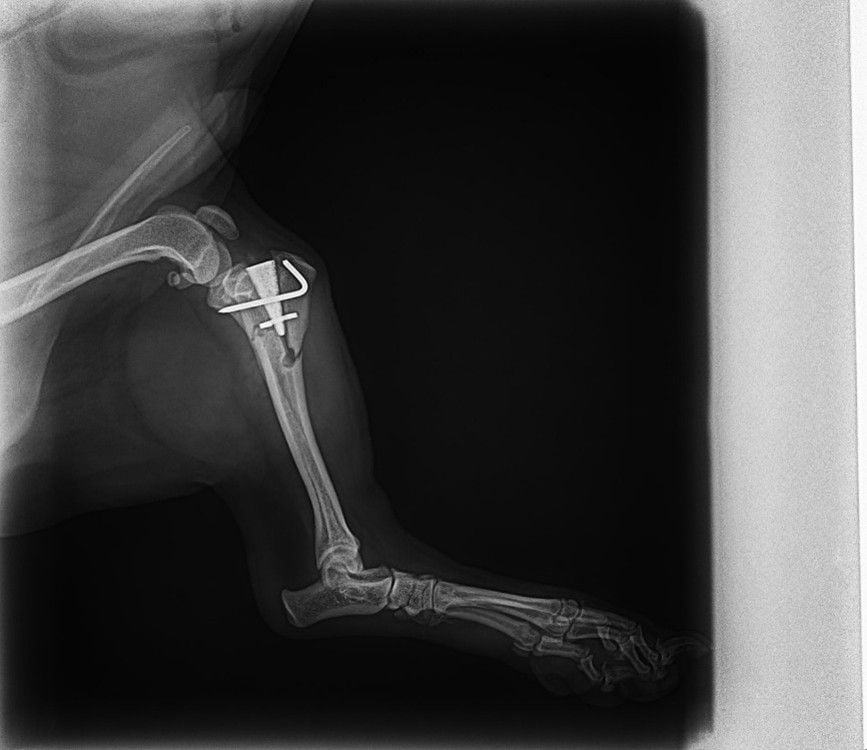
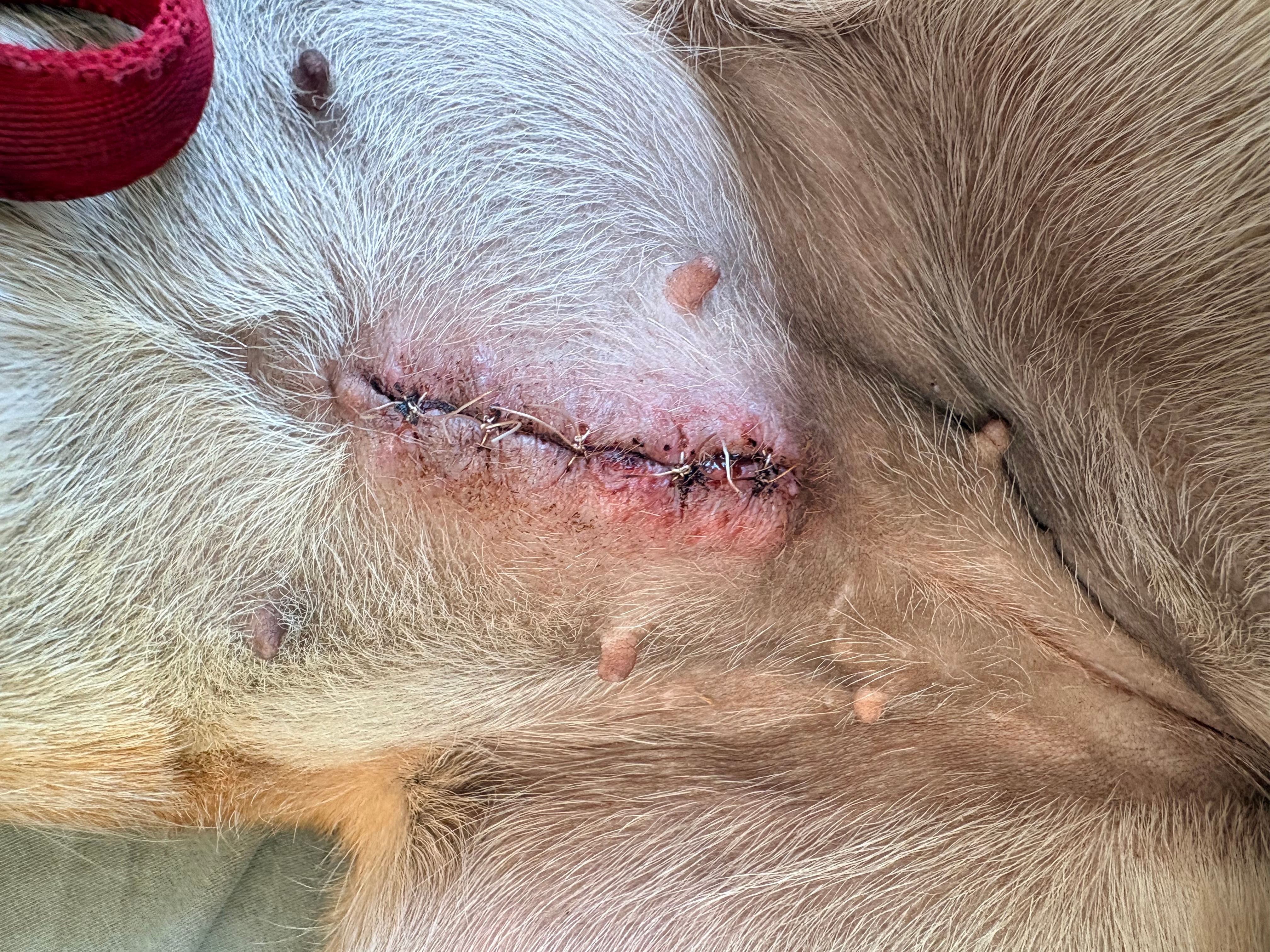
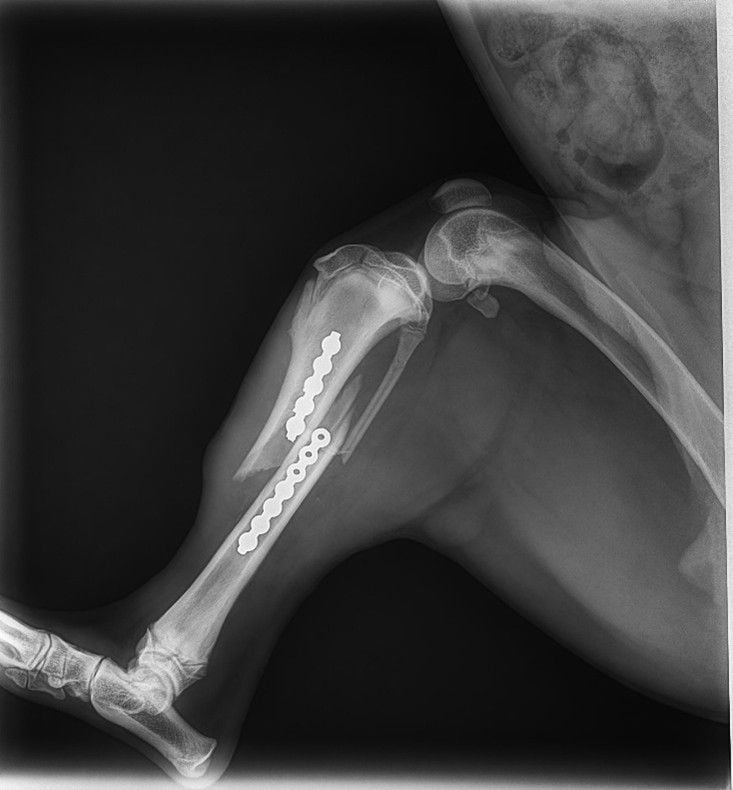
Below are some of our post operative failures that have been caused by not following advice given, we are not laying blame as sometimes the patients make it very difficult to do as they are told, however highlights the importance of the advice we give. Some of these surgeries are ortho's and hence very expensive, so repeat surgeries put extra strain on the owners and also the team.