&geometry(180x85) "Midwest Vet Centre")

The Story of Sid
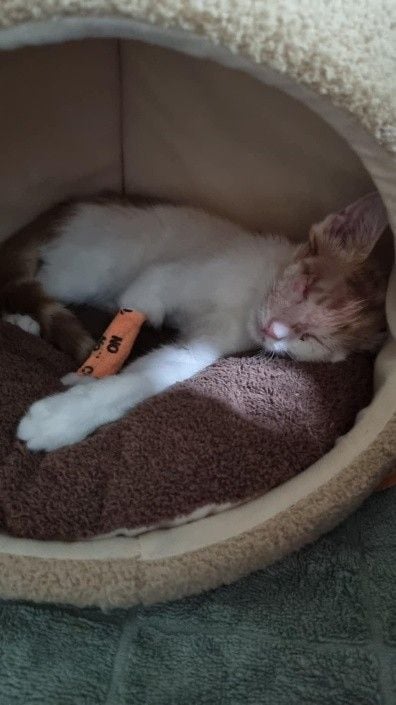
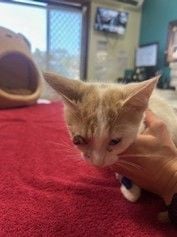 This is Sid. He is a very sweet 13-week-old domestic short haired kitty who has already gone through a great deal in his short time alive. Sid’s owners rescued him with one swollen eye and one eye a bit squinty with discharge out of both eyes, sneezing and not being as playful and lively as a normal kitten would be. They took him to us, to get him checked out and found out what was going on. Dr Hilary concluded from patient history and clinical signs that poor Sid had cat flu and a ruptured eye globe (eyeball) from the result of the medications such as antibiotics and eye ointment (for the other eye) was the best option for him.
The next day Sid was booked in for us to remove the ruptured eye. He did amazingly and is now on the road to recovery. Although we have removed the eye Sid still has a long road ahead of him, as with cat flu unfortunately it is uncurable and many cats have signs that recur throughout their life, particularly during times of stress. Stressful situations including adoption, boarding, illness and pregnancy. Most mild to moderate cases can be managed with supportive care and stress management.
Cat flu is primarily caused by three viruses: feline calicivirus (FCV), feline herpesvirus (FHV or FHV-1), and secondary bacterial infections. The disease is highly contagious and transmits through direct contact between cats or contaminated environments, where the virus can survive for weeks.
Common clinical signs include:
· Sneezing
· Ocular or nasal discharge
· Nasal congestion
· Coughing or wheezing
· Swollen, erythematous gums
· Oral, nasal, or lip ulcerations
· Excessive salivation
· Lethargy
· Anorexia
· Squinting or frequent blinking
· Certain viral strains may also affect joints
Higher risk groups include:
· Cats housed in large groups or colonies (breeding catteries, rescue centers, feral populations)
· Unvaccinated cats
· Kittens
· Elderly or immunocompromised cats (e.g., those with FeLV or FIV infection, or receiving immunosuppressive therapy)
· Cats exposed to stress, which may compromise immune function
Vaccination against FHV and FCV can significantly reduce the risk of severe disease, though mild infection may still occur. Effective infection control measures are essential, including disinfection protocols, hand hygiene after handling ill cats, isolation of symptomatic animals, and use of separate food/water bowls and litter trays.